



















































A Guide to Virtual Events
Most Frequently Asked Questions About Virtual Events
What is a virtual event?
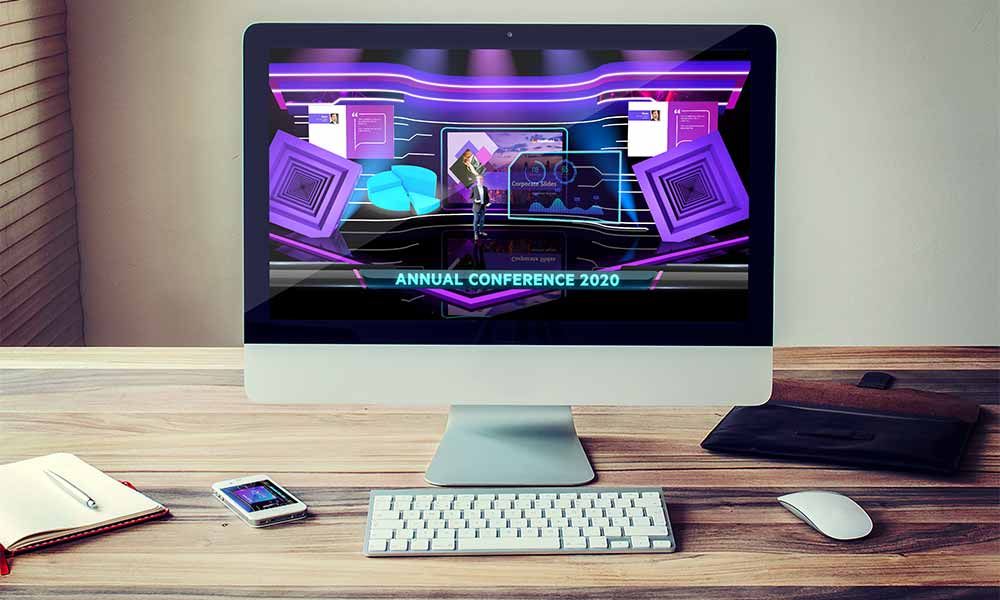
A virtual event is an online space for people to gather and interact virtually from the comfort of their own homes. Virtual events allow companies to creatively deliver content and share information without the need for people to come together physically. Virtual events can be just as immersive and engaging as live events and achieve the same goals.
What are the main types of virtual events?
1) Virtual Webinars & Webcasts
A webinar is an interactive virtual seminar with Q&A sessions much like an academic seminar. A webcast is similar to a webinar but slightly different. A webcast is a presentation, broadcast online via a live-stream, that is recorded for future use. A typical webinar or webcast will last about 45-minutes on average.
2) Virtual Conferences & Summits
A virtual conference follows the same agenda as a traditional conference with speakers, breakouts and keynotes sessions. Remote attendees can see and interact with each other in real-time. After the virtual conference, attendees can download content relevant to them. A virtual conference or summit could last one day or sessions can be spread over a few days.
3) Online Workshops
Online sessions where participants complete a course, certification or learn a new skill in one 30-60-minute session or across multiple weekly sessions. Virtual workshops can be educational or recreational or both! We highly recommend online workshops as an effective way to break-the-ice and encourage meaningful interactions. From online calligraphy workshops to virtual cocktail masterclasses, we have a diverse selection of online activities that have proved to be highly popular.
4) Virtual Expos
Picture a typical trade show with halls, booths and breakout rooms; exhibitors are promoting their services and attendees are interacting. Now, imagine exploring this trade show online instead of in-person. This is made possible with virtual event software.
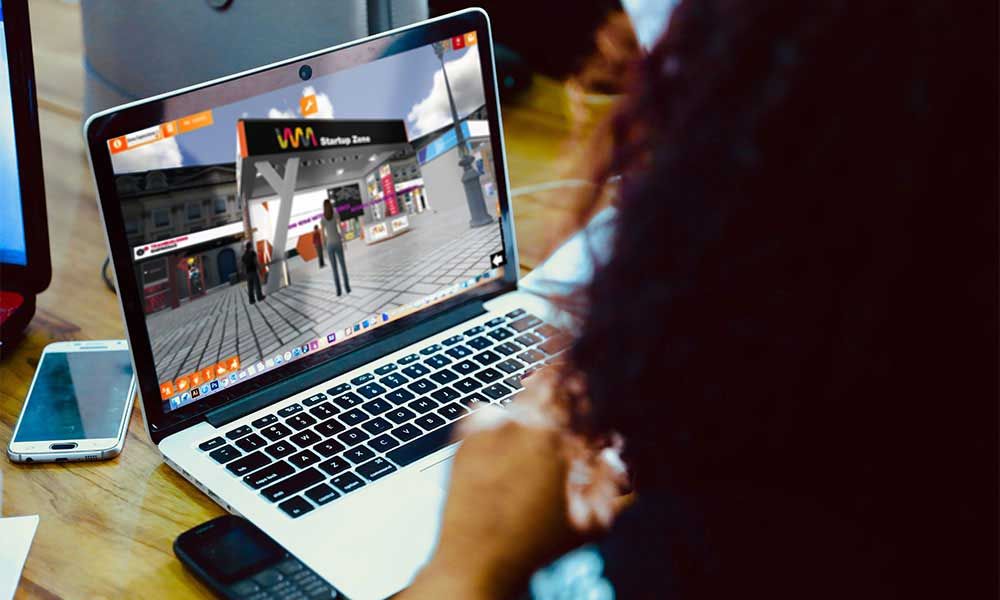
The layout and design of a virtual expo can be completely bespoke or an off-the-shelf solution. Depending on the virtual event platform chosen, the virtual expo could feature 3D elements, offer live chat features and provide sponsorship and branding opportunities. This type of virtual event can take place within a few hours or over the course of a few days, just like a real-life expo.
5) Virtual Award Ceremonies
Industry, company and community award ceremonies are all possible online. Virtual award ceremonies can follow the same structure too with special guests, speeches, supporting content and of course, entertainment. Virtual award ceremonies work best when there is a virtual host to set the tone, announce the winners and steer the event.
There are ways to surprise nominees too! For instance, a virtual band can perform a short sting or theme tune when each winning nominee’s name is announced. The duration of virtual award ceremonies can vary but we’d recommend no longer than 1-2 hours for maximum engagement.
6) Hybrid
A hybrid event brings a virtual component to a live in-person event. In other words, a hybrid event is a live event in which an online audience can also participate. For example, a hybrid event could be a live conference taking place in an actual conference room with an online audience watching in real-time, while simultaneously interacting in some way and accessing digital material.
Can anyone join a virtual event?
Yes, as long as users have access to a laptop, tablet or a smartphone and a strong internet connection. Lots of virtual events are hosted on everyday video conferencing platforms such as Zoom, Google Meets, Webex and Skype. Virtual events can also be hosted on existing or custom-built websites and virtual event platforms. Guests can be granted access and given login details ahead of the virtual event.
How many people can join a virtual event?
This entirely depends on the complexity of the event and the platform chosen. For example, up to 1,000 online guests can be accommodated on Zoom, if you opt for their top-end paid plan. On certain virtual event platforms, you can invite up to 200,000 online guests! Although, our recommendation would be to invite a maximum of 1,000 guests to ensure a seamless experience and high levels of engagement.
How do guests interact at a virtual event?
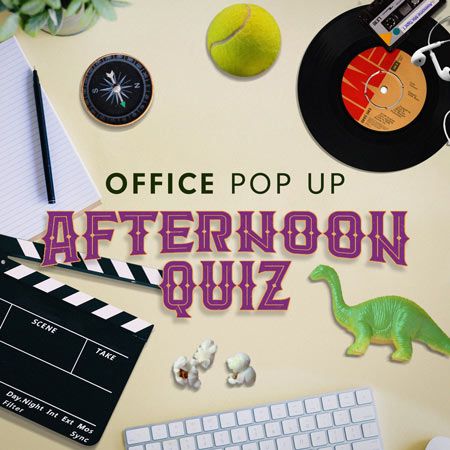
This depends on the platform chosen to host the virtual event. As well as live audio and visual, most of the popular video conferencing platforms have live chat features and polls to interact with. Gamification is possible too; online guests can answer quizzes and complete puzzles or tasks to win prizes. Furthermore, virtual event platforms hosting large events, such as virtual expos, also use avatars as a means to interact.
What are the benefits of hosting a virtual event?
There are many benefits to virtual events but most notably, they are cost-effective, socially safe and sustainable. Not only you can save money and invest more in creating engaging content for your virtual event but attendees socialise remotely, not in-person, thereby adhering to social distancing measures.
Virtual events remove the need to travel, thereby reducing the carbon footprint that would otherwise have been produced at a typical exhibition, trade fair or conference. Virtual events also have the potential to reach a wider, global audience that you may not have been able to reach before. This means that you could dramatically increase participation at your event.
On top of that, ROI and other KPIs can be measured easily and more effectively, not to mention the whole event can be recorded and viewed ‘on-demand’ within minutes of being broadcasted, allowing everyone to watch select content such as keynotes or seminars at a later date.
How can I engage attendees at my virtual event?
Much the same as a traditional event, engagement is key to the success of a virtual event too. The experiences that attendees would usually expect, such as live music, interactive activities and giveaways, are all possible at a virtual event. The same charismatic hosts and speakers that set the tone at conferences and award ceremonies are also available online.
Check out our virtual acts, entertainment and experiences here.

How do you promote a virtual event?
There are many ways to generate a buzz ahead of a virtual event. From luxury hampers and keepsakes to pre-recorded teaser content for social media and personalised video invites, pre-event packages can be posted in advance and custom content can be shared digitally. Many of our virtual artists have provided extra material in the past, to help our clients promote their virtual event.
Would the virtual entertainment at my virtual event be live or pre-recorded?
Virtual entertainment can be live-streamed or pre-recorded for your convenience. Both live and pre-recorded virtual entertainment can be adapted to your chosen platform and woven into your virtual event schedule with ease.
Both options have their merits, for example, pre-recorded virtual entertainment can be watched on-demand. Live virtual entertainment and experiences, such as online activities, masterclasses and workshops, allow remote groups to participate together, in real-time.
Live and pre-recorded virtual entertainment can be customised with branding, key messages and more. For instance, our world-renowned digital magician, Simon Pierro, can incorporate a logo or specific product within an iPad magic trick. And our Virtual Pop Party band can personalise their pre-recorded performance with team shoutouts to make someone feel special.

Ready to Host a Virtual Event? Get in Touch!
If you have any questions regarding virtual events or would like to request more information, we’re here to help. We know how to ensure the success of your virtual event. Get in touch today and we’ll find the perfect virtual entertainment and experiences for you.
Most Frequently Asked Questions About Virtual Events
What is a virtual event?
A virtual event is an online space for people to gather and interact virtually from the comfort of their own homes. Virtual events allow companies to creatively deliver content and share information without the need for people to come together physically. Virtual events can be just as immersive and engaging as live events and achieve the same goals.
What are the main types of virtual events?
1) Virtual Webinars & Webcasts
A webinar is an interactive virtual seminar with Q&A sessions much like an academic seminar. A webcast is similar to a webinar but slightly different. A webcast is a presentation, broadcast online via a live-stream, that is recorded for future use. A typical webinar or webcast will last about 45-minutes on average.
2) Virtual Conferences & Summits
A virtual conference follows the same agenda as a traditional conference with speakers, breakouts and keynotes sessions. Remote attendees can see and interact with each other in real-time. After the virtual conference, attendees can download content relevant to them. A virtual conference or summit could last one day or sessions can be spread over a few days.
3) Online Workshops
Online sessions where participants complete a course, certification or learn a new skill in one 30-60-minute session or across multiple weekly sessions. Virtual workshops can be educational or recreational or both! We highly recommend online workshops as an effective way to break-the-ice and encourage meaningful interactions. From online calligraphy workshops to virtual cocktail masterclasses, we have a diverse selection of online activities that have proved to be highly popular.
4) Virtual Expos
Picture a typical trade show with halls, booths and breakout rooms; exhibitors are promoting their services and attendees are interacting. Now, imagine exploring this trade show online instead of in-person. This is made possible with virtual event software.
The layout and design of a virtual expo can be completely bespoke or an off-the-shelf solution. Depending on the virtual event platform chosen, the virtual expo could feature 3D elements, offer live chat features and provide sponsorship and branding opportunities. This type of virtual event can take place within a few hours or over the course of a few days, just like a real-life expo.
5) Virtual Award Ceremonies
Industry, company and community award ceremonies are all possible online. Virtual award ceremonies can follow the same structure too with special guests, speeches, supporting content and of course, entertainment. Virtual award ceremonies work best when there is a virtual host to set the tone, announce the winners and steer the event.
There are ways to surprise nominees too! For instance, a virtual band can perform a short sting or theme tune when each winning nominee’s name is announced. The duration of virtual award ceremonies can vary but we’d recommend no longer than 1-2 hours for maximum engagement.
6) Hybrid
A hybrid event brings a virtual component to a live in-person event. In other words, a hybrid event is a live event in which an online audience can also participate. For example, a hybrid event could be a live conference taking place in an actual conference room with an online audience watching in real-time, while simultaneously interacting in some way and accessing digital material.
Can anyone join a virtual event?
Yes, as long as users have access to a laptop, tablet or a smartphone and a strong internet connection. Lots of virtual events are hosted on everyday video conferencing platforms such as Zoom, Google Meets, Webex and Skype. Virtual events can also be hosted on existing or custom-built websites and virtual event platforms. Guests can be granted access and given login details ahead of the virtual event.
How many people can join a virtual event?
This entirely depends on the complexity of the event and the platform chosen. For example, up to 1,000 online guests can be accommodated on Zoom, if you opt for their top-end paid plan. On certain virtual event platforms, you can invite up to 200,000 online guests! Although, our recommendation would be to invite a maximum of 1,000 guests to ensure a seamless experience and high levels of engagement.
How do guests interact at a virtual event?
This depends on the platform chosen to host the virtual event. As well as live audio and visual, most of the popular video conferencing platforms have live chat features and polls to interact with. Gamification is possible too; online guests can answer quizzes and complete puzzles or tasks to win prizes. Furthermore, virtual event platforms hosting large events, such as virtual expos, also use avatars as a means to interact.
What are the benefits of hosting a virtual event?
There are many benefits to virtual events but most notably, they are cost-effective, socially safe and sustainable. Not only you can save money and invest more in creating engaging content for your virtual event but attendees socialise remotely, not in-person, thereby adhering to social distancing measures.
Virtual events remove the need to travel, thereby reducing the carbon footprint that would otherwise have been produced at a typical exhibition, trade fair or conference. Virtual events also have the potential to reach a wider, global audience that you may not have been able to reach before. This means that you could dramatically increase participation at your event.
On top of that, ROI and other KPIs can be measured easily and more effectively, not to mention the whole event can be recorded and viewed ‘on-demand’ within minutes of being broadcasted, allowing everyone to watch select content such as keynotes or seminars at a later date.
How can I engage attendees at my virtual event?
Much the same as a traditional event, engagement is key to the success of a virtual event too. The experiences that attendees would usually expect, such as live music, interactive activities and giveaways, are all possible at a virtual event. The same charismatic hosts and speakers that set the tone at conferences and award ceremonies are also available online.
Check out our virtual acts, entertainment and experiences here.
How do you promote a virtual event?
There are many ways to generate a buzz ahead of a virtual event. From luxury hampers and keepsakes to pre-recorded teaser content for social media and personalised video invites, pre-event packages can be posted in advance and custom content can be shared digitally. Many of our virtual artists have provided extra material in the past, to help our clients promote their virtual event.
Would the virtual entertainment at my virtual event be live or pre-recorded?
Virtual entertainment can be live-streamed or pre-recorded for your convenience. Both live and pre-recorded virtual entertainment can be adapted to your chosen platform and woven into your virtual event schedule with ease.
Both options have their merits, for example, pre-recorded virtual entertainment can be watched on-demand. Live virtual entertainment and experiences, such as online activities, masterclasses and workshops, allow remote groups to participate together, in real-time.
Live and pre-recorded virtual entertainment can be customised with branding, key messages and more. For instance, our world-renowned digital magician, Simon Pierro, can incorporate a logo or specific product within an iPad magic trick. And our Virtual Pop Party band can personalise their pre-recorded performance with team shoutouts to make someone feel special.
Ready to Host a Virtual Event? Get in Touch!
If you have any questions regarding virtual events or would like to request more information, we’re here to help. We know how to ensure the success of your virtual event. Get in touch today and we’ll find the perfect virtual entertainment and experiences for you.