























The Future of AI in Entertainment: Revolutionising Private and Corporate Events
20 November 2024
Written By:
As the fast-moving phenomenon of AI steps further into the spotlight, the events industry sits on the edge of a collective theatre seat in anticipation of its impact. Artificial intelligence has already revolutionised private and corporate events and attracted worldwide attention as artists and entertainment suppliers rush to meet demand. But how will it change the live events of the future?
As a globally operating agency, we are experiencing a surge in event enquiries relating to artificial intelligence related acts. New and regular clients in every corner of the world are hungry for the latest AI-based entertainment and digitally facilitated shows. Event planners from every industry want to know what else might be possible and what we can offer them as their suppliers.
As a globally operating agency, we are experiencing a surge in event enquiries relating to artificial intelligence related acts. New and regular clients in every corner of the world are hungry for the latest AI-based entertainment and digitally facilitated shows. Event planners from every industry want to know what else might be possible and what we can offer them as their suppliers.
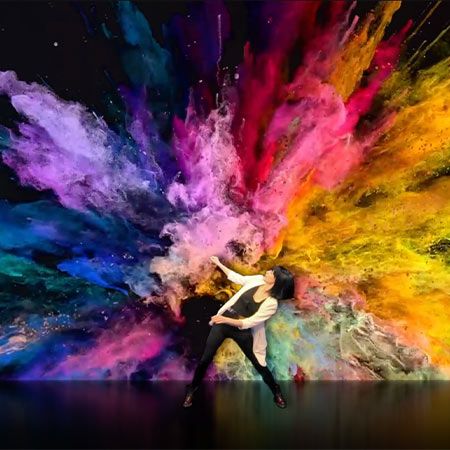
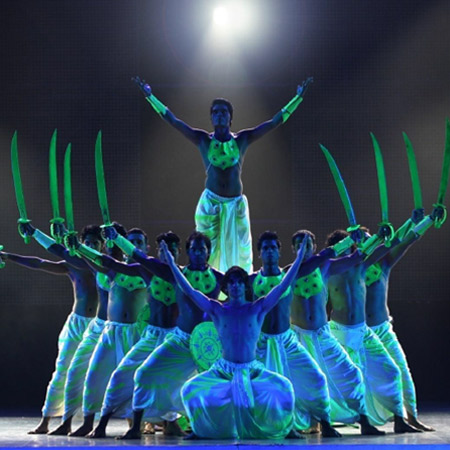
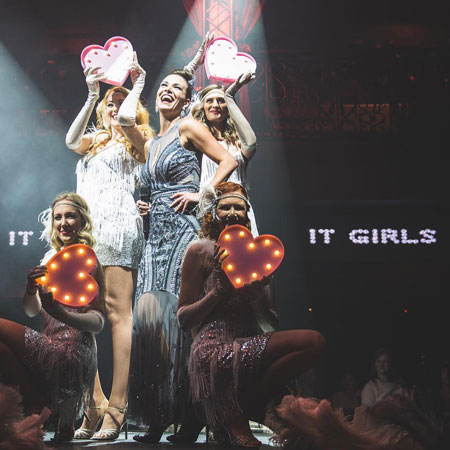
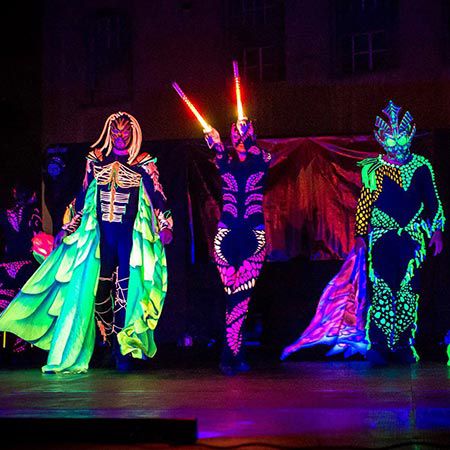
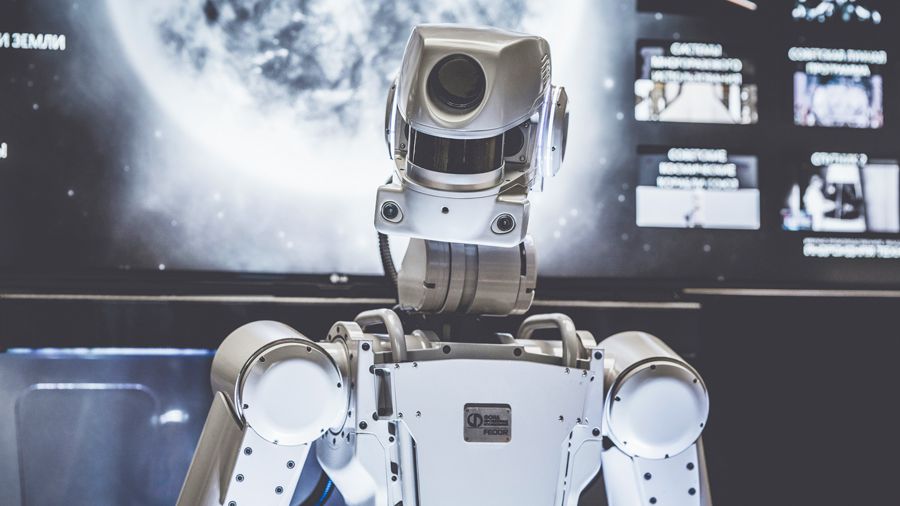
AI performers are becoming a familiar feature at corporate and private events worldwide
As Twine Founder Stuart Logan shares on the topic of AI in live entertainment:
“As with any technological advancement, the entertainment industry must adapt to the evolving landscape. Rather than fearing the rise of AI, industry professionals can embrace change and explore new ways to integrate AI technologies into their creative processes. This includes understanding the potential benefits and limitations of AI, advocating for fair contracts, and ensuring that the human touch remains at the heart of storytelling.”
You're likely reading this particular blog article because you're feeling unsure regarding which types of live entertainment are definitively included when it comes to AI. There is so much buzz surrounding artificial intelligence, particularly in the online space, that it can quickly become confusing. We have done our research to help clear up the tech rumours and remove any mystery.
What actually 'counts' as AI in live entertainment?
AI is often incorrectly used as a 'catch all' umbrella term for any form of entertainment act that employs digital resources within it. To better understand what exactly what we're dealing with, it's useful to be able to understand what AI is as a standalone entity. Global technology giant IBM recently shared the following useful definition of artificial intelligence in transparent terms:
Categorically, AI in live entertainment refers to artistic acts that we might already be familiar with that are now generated by computers and machines rather than direct 'real' human intervention. As the world of entertainment is taken by digital storm, this is your moment to get to comfortable grips with what artificial intelligence can offer you - and how.
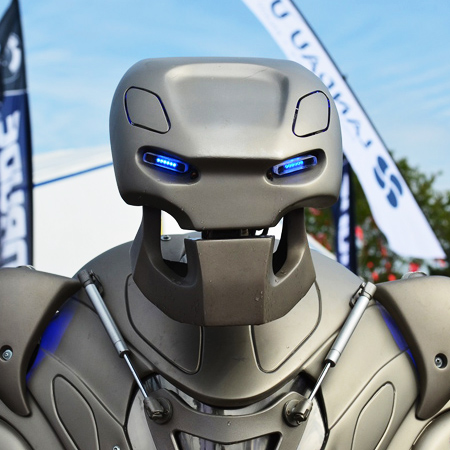
To take a simple 'this, not that' example; a roaming robot greeting guests with stock phrases that cue randomly or are triggered remotely cannot be classed as AI entertainment despite initial 'techy' appearances. Whereas a robotic host that communicates autonomously in response to live guest conversation input is an unequivocal form of AI. In our latter example, the act is entertaining using artificial intelligence rather than relying on external control or pre-programming.
There are increasing forms of live entertainment that can be enhanced by artificial intelligence technology if not entirely powered by or created with it. From our experience as a globally operating entertainment agency, this is where we are seeing true revolution in the realm private and corporate events. Inspiringly, the acts that we have known and loved now hold exciting fresh potential.
What actually 'counts' as AI in live entertainment?
AI is often incorrectly used as a 'catch all' umbrella term for any form of entertainment act that employs digital resources within it. To better understand what exactly what we're dealing with, it's useful to be able to understand what AI is as a standalone entity. Global technology giant IBM recently shared the following useful definition of artificial intelligence in transparent terms:
''Artificial technology (AI) enables computers and machines to simulate human learning, comprehension, problem solving, decision making, creativity and autonomy"To make IBM's definition easier to digest, essentially AI refers to technology that replaces human time and labour to achieve a vast array of tasks. We are all familiar by now with customer service chat bots. Perhaps you have used ChatGPT to create social media copy for you. Or maybe you rely on Alexa's hands-free wisdom to manage your daily work schedule for you. These artificial intelligence tools work directly in our favour to enhance daily life and lessen our cognitive load.
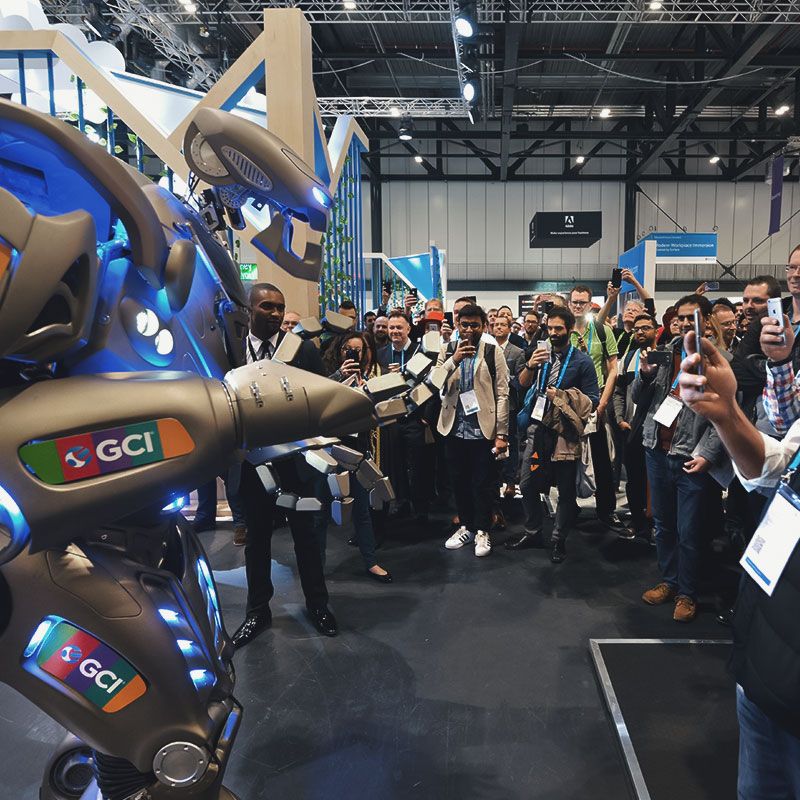
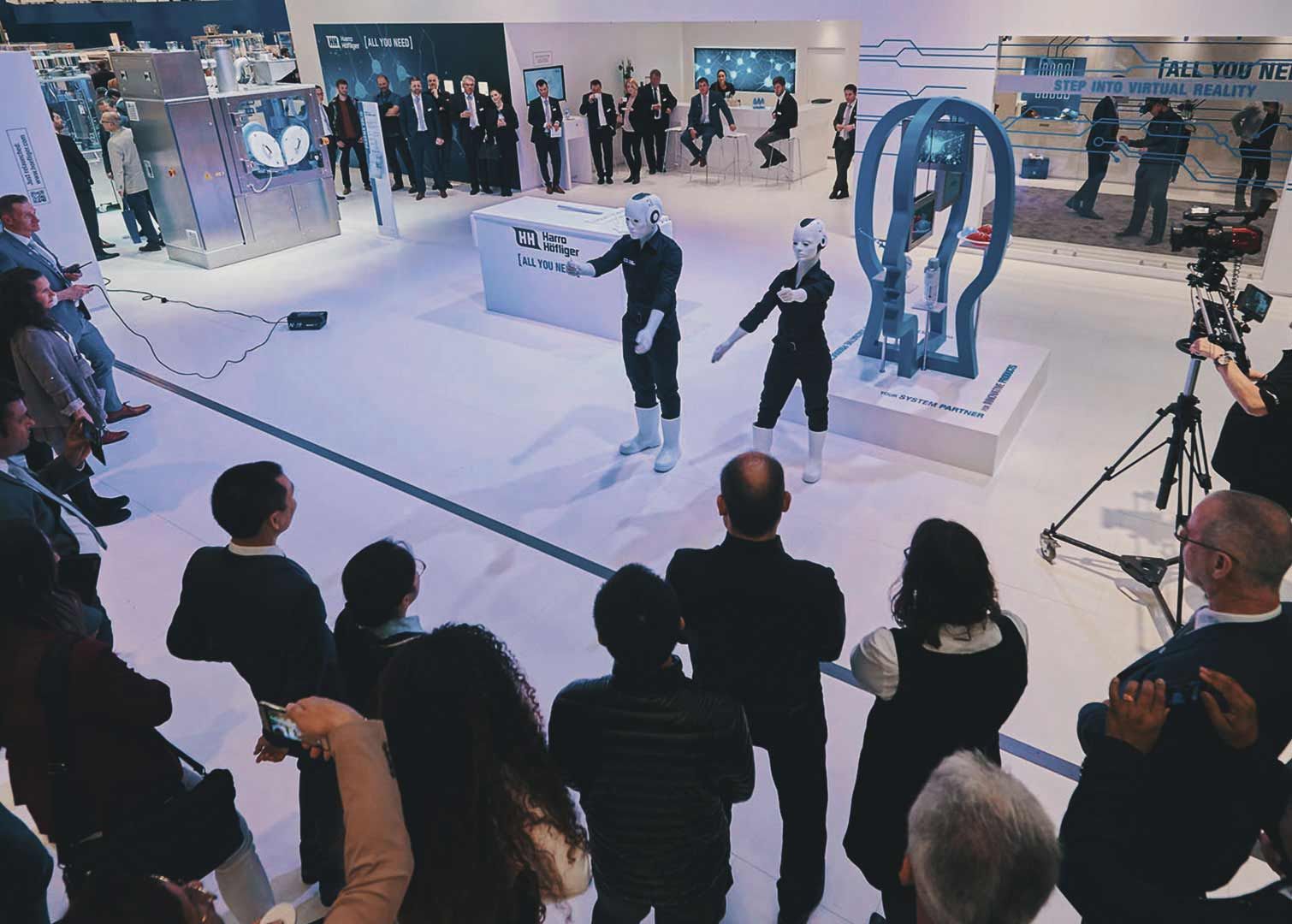
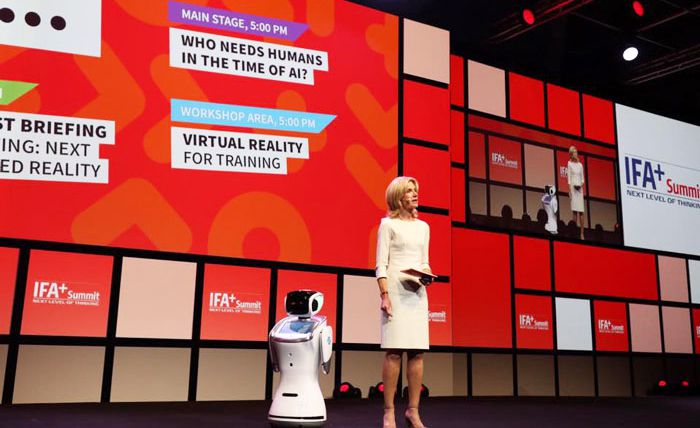
Our active virtual reality robot assisting with an expo presentation live on stage
Categorically, AI in live entertainment refers to artistic acts that we might already be familiar with that are now generated by computers and machines rather than direct 'real' human intervention. As the world of entertainment is taken by digital storm, this is your moment to get to comfortable grips with what artificial intelligence can offer you - and how.
To take a simple 'this, not that' example; a roaming robot greeting guests with stock phrases that cue randomly or are triggered remotely cannot be classed as AI entertainment despite initial 'techy' appearances. Whereas a robotic host that communicates autonomously in response to live guest conversation input is an unequivocal form of AI. In our latter example, the act is entertaining using artificial intelligence rather than relying on external control or pre-programming.
Artificial Intelligence in Live Entertainment
AI entertainment is revolutionising corporate and private event spaces primarily because of its attractive flexibility in so many different artistic scenarios. There are now established forms of AI-based live entertainment such as dynamic 3D projections that alter in colour tone based on the robotically interpreted mood and ambience of an audience live in the space.
To take a current example, an act causing a stir at events recently is our independent AI-powered robots delivering custom branded giveaways alongside intuitive communication. These types of acts rely on complex programming and specific software design that offers entertainment experiences that surpass novelty factor and confidently signal progressive thinking.
To take a current example, an act causing a stir at events recently is our independent AI-powered robots delivering custom branded giveaways alongside intuitive communication. These types of acts rely on complex programming and specific software design that offers entertainment experiences that surpass novelty factor and confidently signal progressive thinking.
Our AI-powered caricaturist producing physical art for intrigued event guests
There are increasing forms of live entertainment that can be enhanced by artificial intelligence technology if not entirely powered by or created with it. From our experience as a globally operating entertainment agency, this is where we are seeing true revolution in the realm private and corporate events. Inspiringly, the acts that we have known and loved now hold exciting fresh potential.
Audience Immersion Entertainment
The primary event objective of live entertainment is to successfully engage its target audience. Artificial intelligence software can facilitate direct connection with live acts in ways the world has never seen before. AI-powered chatbots can allow guests to communicate instantly with an act during a live performance in order to bring a whole new dimension to the experience.
AI can now facilitate interactive experiences for event guests. Smart chatbots are being added to production shows so that audience members can provide real-time feedback and enjoy direct communication with acts. Even more intriguingly, technology exists where AI software can detect the mood of the event and responsively adjust the lighting colouring, audio volume and other atmospheric elements to recapture the attention of a crowd who might be losing attention.
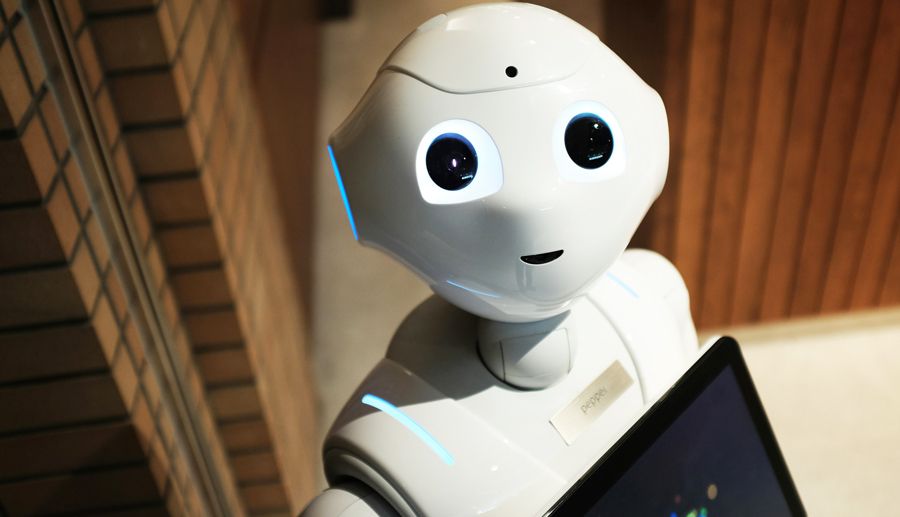
AI-powered robots can become part of a live show or direct guest entertainment experience
AI can now facilitate interactive experiences for event guests. Smart chatbots are being added to production shows so that audience members can provide real-time feedback and enjoy direct communication with acts. Even more intriguingly, technology exists where AI software can detect the mood of the event and responsively adjust the lighting colouring, audio volume and other atmospheric elements to recapture the attention of a crowd who might be losing attention.
AI-Powered Performers and Acts
Artificial intelligence creates opportunity for established live entertainment acts to drive audience impact. For example, vocal and instrumental audio can be digitally enhanced via AI to ensure faultless performances as audio plays in real time. AI can also facilitate the provision of virtual performers to accompany human counterparts live on stage.
The music industry has embraced the potential of this particular avenue of artistic development using AI with the creation of standalone virtual performers created entirely from digital pixels. Digital 'vocaloids' as they are uniquely termed are expertly produced using AI. Many of these acts are already making strong impact on the streaming and live performance markets.
Using motion capture and complex graphics, German artist Joerg Zuber created the groundbreaking virtual influencer 'Noonoouri' who recently landed a major music deal with industry titans Warner Music. With a vocal range partially created by artificial intelligence, Noonoouri offers her investors and her many millions of fans versatility and specialist skills that human performers cannot match.
As Marec Lerche from Warner Music shares on the industry leading label's latest AI signing:
The music industry has embraced the potential of this particular avenue of artistic development using AI with the creation of standalone virtual performers created entirely from digital pixels. Digital 'vocaloids' as they are uniquely termed are expertly produced using AI. Many of these acts are already making strong impact on the streaming and live performance markets.
AI-created pop star and digital influencer 'Noonoouri' performing with a human performer
Using motion capture and complex graphics, German artist Joerg Zuber created the groundbreaking virtual influencer 'Noonoouri' who recently landed a major music deal with industry titans Warner Music. With a vocal range partially created by artificial intelligence, Noonoouri offers her investors and her many millions of fans versatility and specialist skills that human performers cannot match.
As Marec Lerche from Warner Music shares on the industry leading label's latest AI signing:
"Noonoouri can appear at different places at the same time, you can change her style in a minute and we can make her fly if we want. It feels natural to her. Digital creations like her can offer more experimentation and flexibility."
One popular example of truly groundbreaking live 'AI art' is that of Turkish digital sculptor Refik Anadol. Using vast collections of data and machine learning algorithms, Anadol creates live digital sculpture using pixels as his paint pigment. This form of high-end live art speaks effortlessly to the luxury market and would certainly be well placed within the corporate entertainment sphere.
Refik Anadol's unique digital sculptures created from immense collections of software data
As AI technology continues to fly forwards, we predict equally fast moving innovation within the live entertainment industry in direct response. Immersive experiences that personally engage audience members is key. With the power of AI, event guests have the opportunity to step into entertainment experiences in ways they previously might never have imagined.
events worldwide. If we can recognise creative opportunity rather than fearing change, we can all leverage the benefits of AI to access the groundbreaking event entertainment of the future.
We are witnessing AI surprising and inspiring our clients. Our teams have watched intuitive performing robots communicating directly with captivated expo attendees. They have personally felt the collective intake of breath as guests experience virtual reality elements within production shows for the first time. The question here is not whether AI holds value within live entertainment but rather we artistically harness its power.
What's next for AI in live entertainment?
From what we're already seeing, this is only the very beginning of the contemporary entertainment revolution. We are already delivering virtual reality and augmented reality experiences atevents worldwide. If we can recognise creative opportunity rather than fearing change, we can all leverage the benefits of AI to access the groundbreaking event entertainment of the future.
We are witnessing AI surprising and inspiring our clients. Our teams have watched intuitive performing robots communicating directly with captivated expo attendees. They have personally felt the collective intake of breath as guests experience virtual reality elements within production shows for the first time. The question here is not whether AI holds value within live entertainment but rather we artistically harness its power.
An AI stage act featuring in the 2024 series of Britain's Got Talent
If you're as excited about the multi-faceted possibilities of AI as we are, then contact us today to start discussing the virtual possibilities of your next event. Our dedicated team of in-house producers and event experts are waiting to bring your unique event vision to life using the latest technology acts on the current market.
As the fast-moving phenomenon of AI steps further into the spotlight, the events industry sits on the edge of a collective theatre seat in anticipation of its impact. Artificial intelligence has already revolutionised private and corporate events and attracted worldwide attention as artists and entertainment suppliers rush to meet demand. But how will it change the live events of the future?
As a globally operating agency, we are experiencing a surge in event enquiries relating to artificial intelligence related acts. New and regular clients in every corner of the world are hungry for the latest AI-based entertainment and digitally facilitated shows. Event planners from every industry want to know what else might be possible and what we can offer them as their suppliers.
As a globally operating agency, we are experiencing a surge in event enquiries relating to artificial intelligence related acts. New and regular clients in every corner of the world are hungry for the latest AI-based entertainment and digitally facilitated shows. Event planners from every industry want to know what else might be possible and what we can offer them as their suppliers.
AI performers are becoming a familiar feature at corporate and private events worldwide
As Twine Founder Stuart Logan shares on the topic of AI in live entertainment:
“As with any technological advancement, the entertainment industry must adapt to the evolving landscape. Rather than fearing the rise of AI, industry professionals can embrace change and explore new ways to integrate AI technologies into their creative processes. This includes understanding the potential benefits and limitations of AI, advocating for fair contracts, and ensuring that the human touch remains at the heart of storytelling.”
You're likely reading this particular blog article because you're feeling unsure regarding which types of live entertainment are definitively included when it comes to AI. There is so much buzz surrounding artificial intelligence, particularly in the online space, that it can quickly become confusing. We have done our research to help clear up the tech rumours and remove any mystery.
What actually 'counts' as AI in live entertainment?
AI is often incorrectly used as a 'catch all' umbrella term for any form of entertainment act that employs digital resources within it. To better understand what exactly what we're dealing with, it's useful to be able to understand what AI is as a standalone entity. Global technology giant IBM recently shared the following useful definition of artificial intelligence in transparent terms:
Categorically, AI in live entertainment refers to artistic acts that we might already be familiar with that are now generated by computers and machines rather than direct 'real' human intervention. As the world of entertainment is taken by digital storm, this is your moment to get to comfortable grips with what artificial intelligence can offer you - and how.
To take a simple 'this, not that' example; a roaming robot greeting guests with stock phrases that cue randomly or are triggered remotely cannot be classed as AI entertainment despite initial 'techy' appearances. Whereas a robotic host that communicates autonomously in response to live guest conversation input is an unequivocal form of AI. In our latter example, the act is entertaining using artificial intelligence rather than relying on external control or pre-programming.
There are increasing forms of live entertainment that can be enhanced by artificial intelligence technology if not entirely powered by or created with it. From our experience as a globally operating entertainment agency, this is where we are seeing true revolution in the realm private and corporate events. Inspiringly, the acts that we have known and loved now hold exciting fresh potential.
What actually 'counts' as AI in live entertainment?
AI is often incorrectly used as a 'catch all' umbrella term for any form of entertainment act that employs digital resources within it. To better understand what exactly what we're dealing with, it's useful to be able to understand what AI is as a standalone entity. Global technology giant IBM recently shared the following useful definition of artificial intelligence in transparent terms:
''Artificial technology (AI) enables computers and machines to simulate human learning, comprehension, problem solving, decision making, creativity and autonomy"To make IBM's definition easier to digest, essentially AI refers to technology that replaces human time and labour to achieve a vast array of tasks. We are all familiar by now with customer service chat bots. Perhaps you have used ChatGPT to create social media copy for you. Or maybe you rely on Alexa's hands-free wisdom to manage your daily work schedule for you. These artificial intelligence tools work directly in our favour to enhance daily life and lessen our cognitive load.
Our active virtual reality robot assisting with an expo presentation live on stage
Categorically, AI in live entertainment refers to artistic acts that we might already be familiar with that are now generated by computers and machines rather than direct 'real' human intervention. As the world of entertainment is taken by digital storm, this is your moment to get to comfortable grips with what artificial intelligence can offer you - and how.
To take a simple 'this, not that' example; a roaming robot greeting guests with stock phrases that cue randomly or are triggered remotely cannot be classed as AI entertainment despite initial 'techy' appearances. Whereas a robotic host that communicates autonomously in response to live guest conversation input is an unequivocal form of AI. In our latter example, the act is entertaining using artificial intelligence rather than relying on external control or pre-programming.
Artificial Intelligence in Live Entertainment
AI entertainment is revolutionising corporate and private event spaces primarily because of its attractive flexibility in so many different artistic scenarios. There are now established forms of AI-based live entertainment such as dynamic 3D projections that alter in colour tone based on the robotically interpreted mood and ambience of an audience live in the space.
To take a current example, an act causing a stir at events recently is our independent AI-powered robots delivering custom branded giveaways alongside intuitive communication. These types of acts rely on complex programming and specific software design that offers entertainment experiences that surpass novelty factor and confidently signal progressive thinking.
To take a current example, an act causing a stir at events recently is our independent AI-powered robots delivering custom branded giveaways alongside intuitive communication. These types of acts rely on complex programming and specific software design that offers entertainment experiences that surpass novelty factor and confidently signal progressive thinking.
Our AI-powered caricaturist producing physical art for intrigued event guests
There are increasing forms of live entertainment that can be enhanced by artificial intelligence technology if not entirely powered by or created with it. From our experience as a globally operating entertainment agency, this is where we are seeing true revolution in the realm private and corporate events. Inspiringly, the acts that we have known and loved now hold exciting fresh potential.
Audience Immersion Entertainment
The primary event objective of live entertainment is to successfully engage its target audience. Artificial intelligence software can facilitate direct connection with live acts in ways the world has never seen before. AI-powered chatbots can allow guests to communicate instantly with an act during a live performance in order to bring a whole new dimension to the experience.
AI can now facilitate interactive experiences for event guests. Smart chatbots are being added to production shows so that audience members can provide real-time feedback and enjoy direct communication with acts. Even more intriguingly, technology exists where AI software can detect the mood of the event and responsively adjust the lighting colouring, audio volume and other atmospheric elements to recapture the attention of a crowd who might be losing attention.
AI-powered robots can become part of a live show or direct guest entertainment experience
AI can now facilitate interactive experiences for event guests. Smart chatbots are being added to production shows so that audience members can provide real-time feedback and enjoy direct communication with acts. Even more intriguingly, technology exists where AI software can detect the mood of the event and responsively adjust the lighting colouring, audio volume and other atmospheric elements to recapture the attention of a crowd who might be losing attention.
AI-Powered Performers and Acts
Artificial intelligence creates opportunity for established live entertainment acts to drive audience impact. For example, vocal and instrumental audio can be digitally enhanced via AI to ensure faultless performances as audio plays in real time. AI can also facilitate the provision of virtual performers to accompany human counterparts live on stage.
The music industry has embraced the potential of this particular avenue of artistic development using AI with the creation of standalone virtual performers created entirely from digital pixels. Digital 'vocaloids' as they are uniquely termed are expertly produced using AI. Many of these acts are already making strong impact on the streaming and live performance markets.
Using motion capture and complex graphics, German artist Joerg Zuber created the groundbreaking virtual influencer 'Noonoouri' who recently landed a major music deal with industry titans Warner Music. With a vocal range partially created by artificial intelligence, Noonoouri offers her investors and her many millions of fans versatility and specialist skills that human performers cannot match.
As Marec Lerche from Warner Music shares on the industry leading label's latest AI signing:
The music industry has embraced the potential of this particular avenue of artistic development using AI with the creation of standalone virtual performers created entirely from digital pixels. Digital 'vocaloids' as they are uniquely termed are expertly produced using AI. Many of these acts are already making strong impact on the streaming and live performance markets.
AI-created pop star and digital influencer 'Noonoouri' performing with a human performer
Using motion capture and complex graphics, German artist Joerg Zuber created the groundbreaking virtual influencer 'Noonoouri' who recently landed a major music deal with industry titans Warner Music. With a vocal range partially created by artificial intelligence, Noonoouri offers her investors and her many millions of fans versatility and specialist skills that human performers cannot match.
As Marec Lerche from Warner Music shares on the industry leading label's latest AI signing:
"Noonoouri can appear at different places at the same time, you can change her style in a minute and we can make her fly if we want. It feels natural to her. Digital creations like her can offer more experimentation and flexibility."
One popular example of truly groundbreaking live 'AI art' is that of Turkish digital sculptor Refik Anadol. Using vast collections of data and machine learning algorithms, Anadol creates live digital sculpture using pixels as his paint pigment. This form of high-end live art speaks effortlessly to the luxury market and would certainly be well placed within the corporate entertainment sphere.
Refik Anadol's unique digital sculptures created from immense collections of software data
As AI technology continues to fly forwards, we predict equally fast moving innovation within the live entertainment industry in direct response. Immersive experiences that personally engage audience members is key. With the power of AI, event guests have the opportunity to step into entertainment experiences in ways they previously might never have imagined.
events worldwide. If we can recognise creative opportunity rather than fearing change, we can all leverage the benefits of AI to access the groundbreaking event entertainment of the future.
We are witnessing AI surprising and inspiring our clients. Our teams have watched intuitive performing robots communicating directly with captivated expo attendees. They have personally felt the collective intake of breath as guests experience virtual reality elements within production shows for the first time. The question here is not whether AI holds value within live entertainment but rather we artistically harness its power.
What's next for AI in live entertainment?
From what we're already seeing, this is only the very beginning of the contemporary entertainment revolution. We are already delivering virtual reality and augmented reality experiences atevents worldwide. If we can recognise creative opportunity rather than fearing change, we can all leverage the benefits of AI to access the groundbreaking event entertainment of the future.
We are witnessing AI surprising and inspiring our clients. Our teams have watched intuitive performing robots communicating directly with captivated expo attendees. They have personally felt the collective intake of breath as guests experience virtual reality elements within production shows for the first time. The question here is not whether AI holds value within live entertainment but rather we artistically harness its power.
An AI stage act featuring in the 2024 series of Britain's Got Talent
If you're as excited about the multi-faceted possibilities of AI as we are, then contact us today to start discussing the virtual possibilities of your next event. Our dedicated team of in-house producers and event experts are waiting to bring your unique event vision to life using the latest technology acts on the current market.
20 November 2024
Written By:
Latest Blog Articles