










4 Traditional Chinese Entertainment Options & Their Origins
Traditional Chinese entertainment is colourful, vibrant and visually captivating. China boasts a rich cultural heritage influenced by ancient traditions that have inspired countless forms of entertainment. The performing arts are treasured in Chinese culture and continue to fascinate the rest of the world.
Read on to discover our top 4 traditional Chinese entertainment options and uncover insight into their origin. Expect astonishing displays of agility and skill accompanied by enchanting traditional music.
4 Traditional Chinese Acts
Lion Dance
The lion dance is quite possibly the oldest form of Chinese entertainment. Due to travellers' tales, dynasty records and the spread of Buddhism, fascination with the creature grew, and the lion became an iconic Chinese symbol.
Typically, the lion dance involves two dancers disguised in a striking, brightly coloured lion costume; one performer is at the rear, and the other is at the front manning the head. In Chinese folk culture, the lion dance symbolises power, wisdom and good fortune.
The lion dance is a popular entertainment choice for special occasions such as Chinese New Year events and wedding ceremonies and often used by Chinese communities to honour special guests at corporate and national events.

Dragon Dance
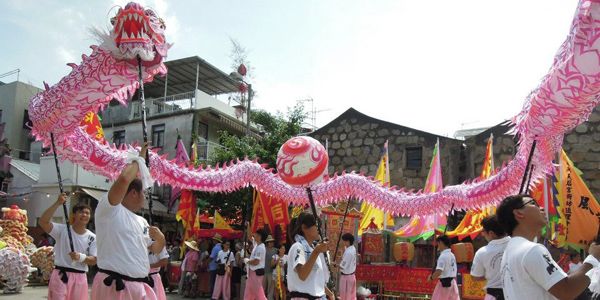
Equally iconic is the dragon dance. This age-old act with agricultural roots (dating back to 180-230 AD) is a favourite at global festive, oriental and Chinese celebrations; it is a vibrant and engaging performance bursting with colour and energy.
Unlike the lion dance, it varies dramatically in the number of performers with anything from 2 to 50 dancers parading the dragon, which itself can be up to 70 meters long! The dragon costume is made from colourful fabric and supported by a sturdy bamboo frame and poles. Accompanied by the sounds of drums, cymbals and gongs, the performers mimic the dragon's actions, historically an amphibian creature able to move on land, fly in the sky and swim in the sea.
The Chinese dragon is one of the 12 signs of the Chinese zodiac and symbolises luck, dignity, power and nobility. Legend has it that thousands of years ago a legendary tribal leader called Yandi was born by his mother's telepathy with a mighty dragon. Yandi, the dragon, and Huangdi, another legendary tribal leader, are effectively considered ancestors of the Chinese people.
Chinese Drumming
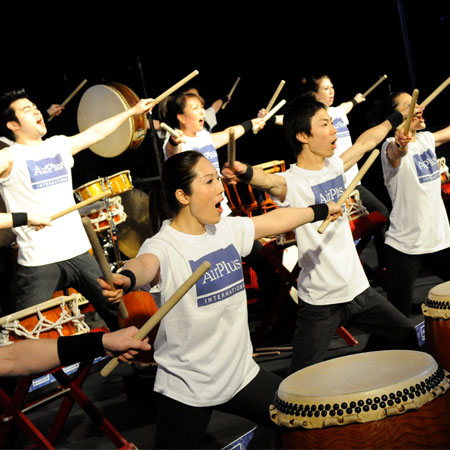
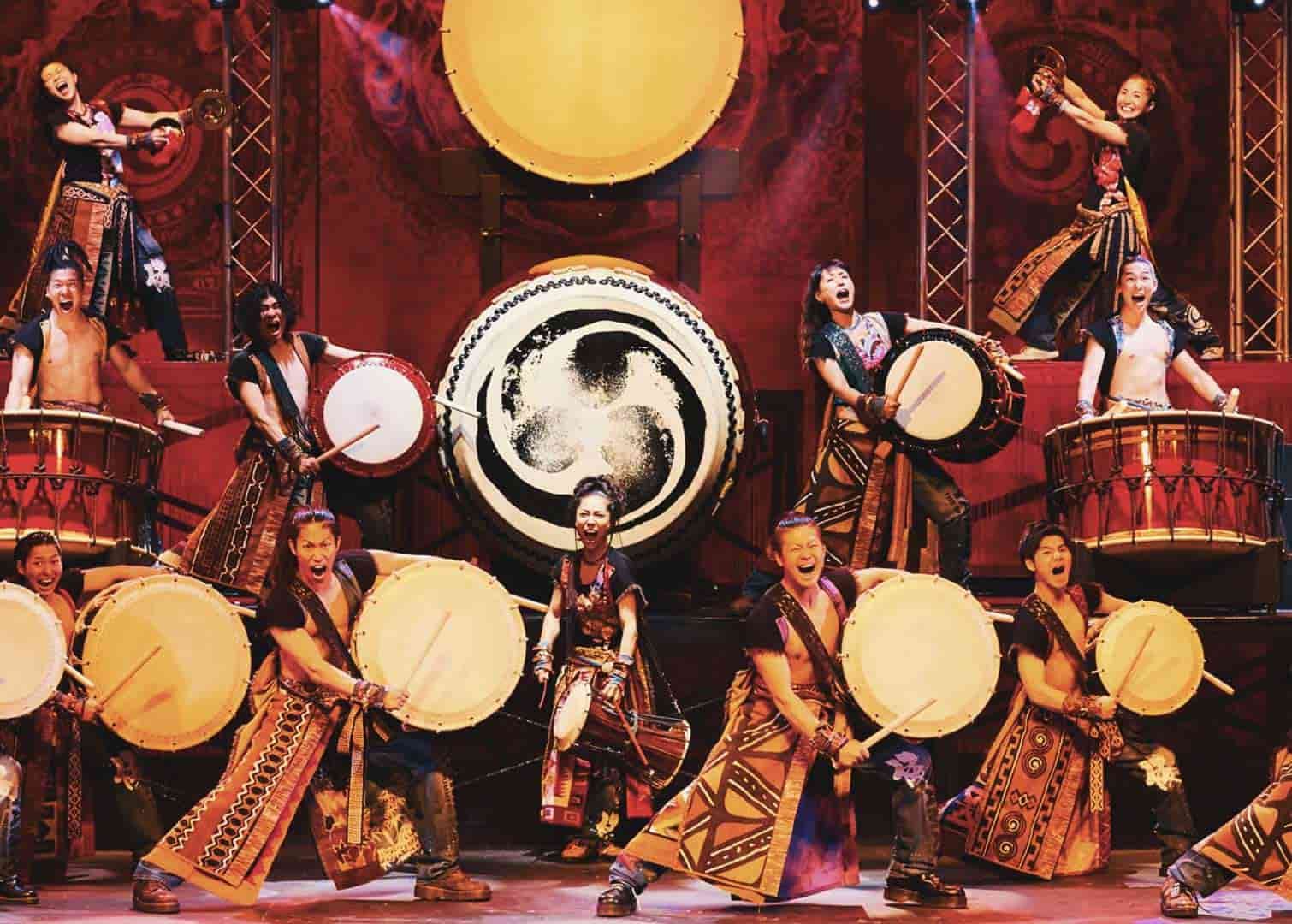
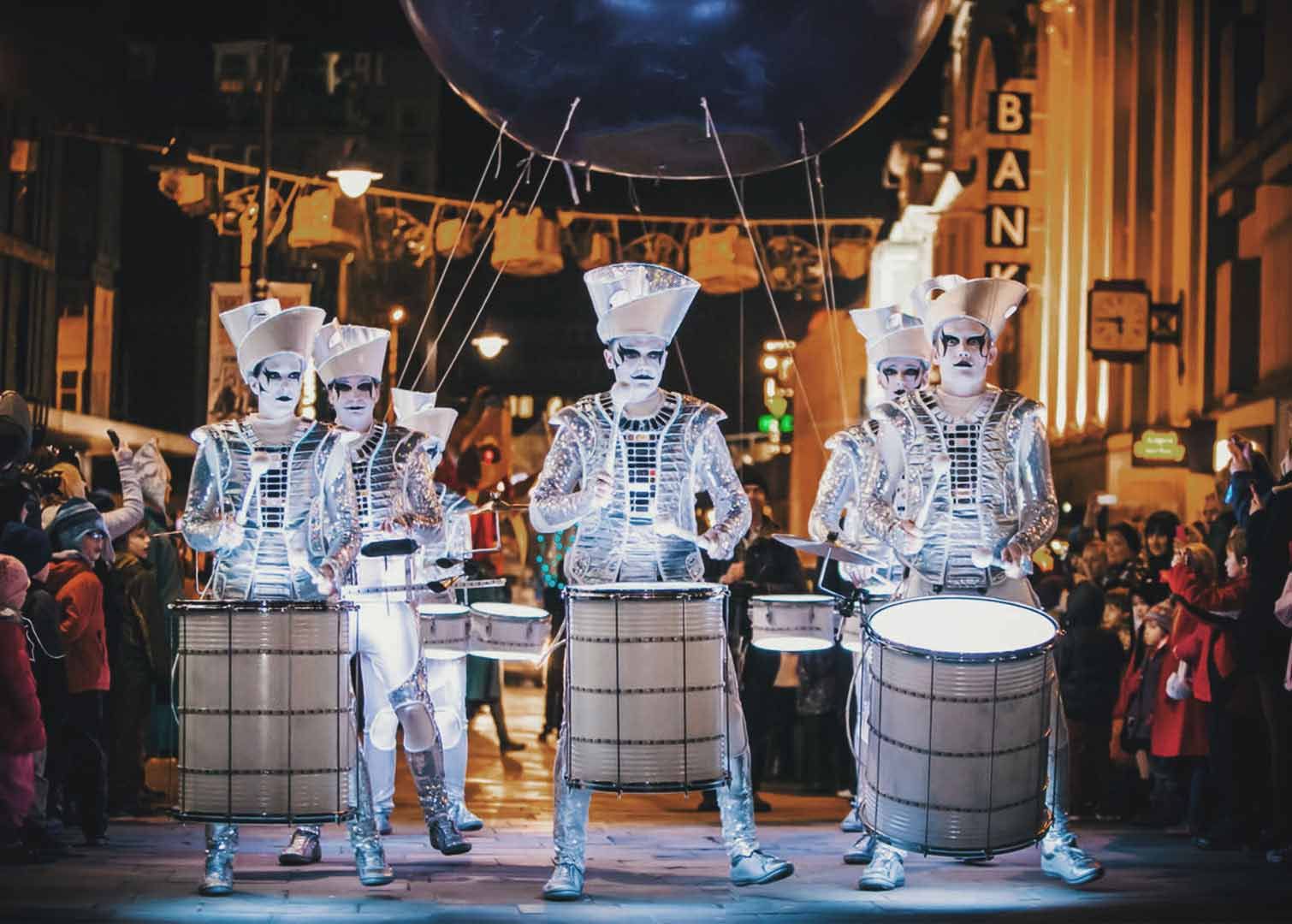
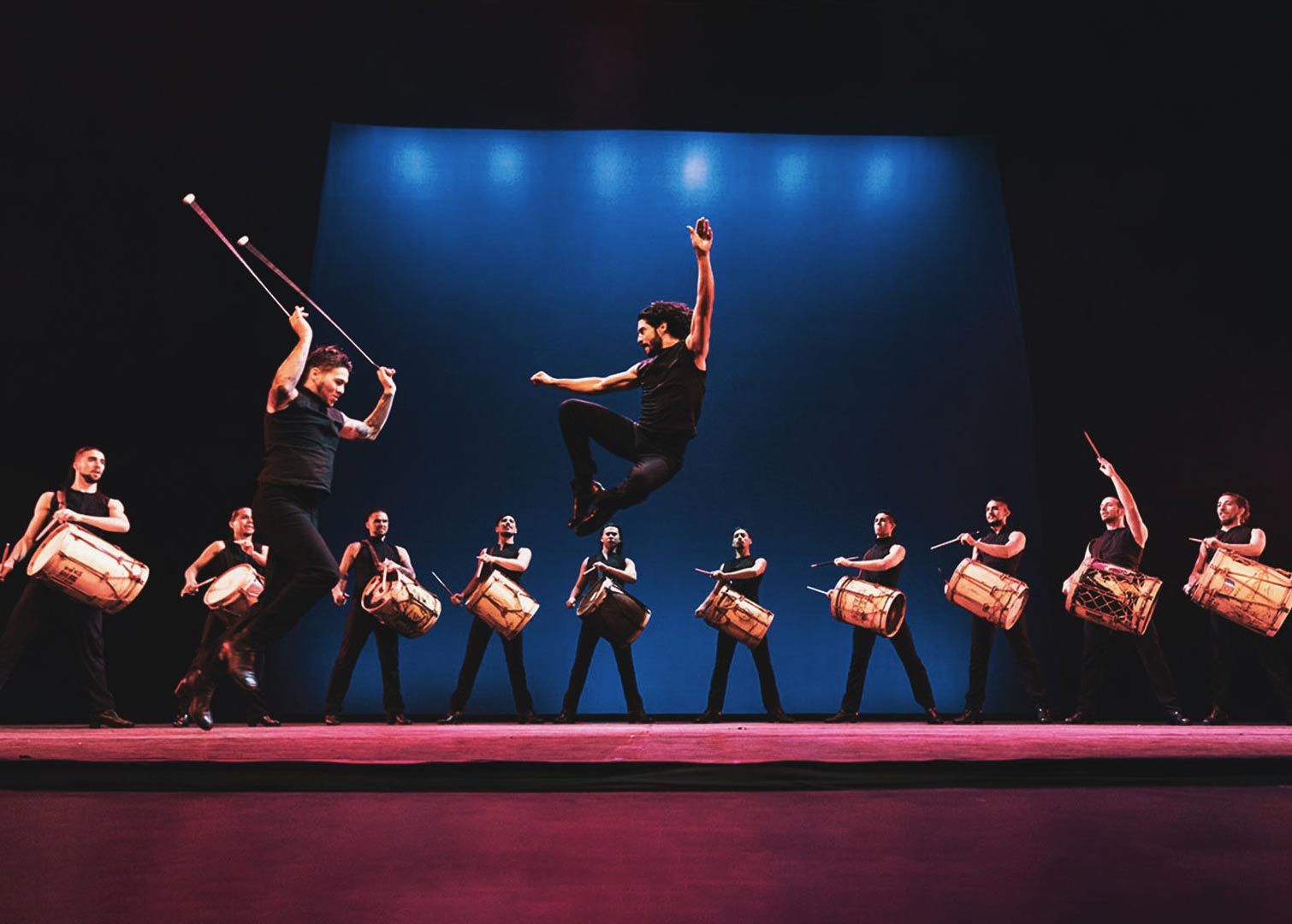
Another much-celebrated form of traditional Chinese entertainment that is loud, proud and stirs the soul. Chinese drumming is a one-of-a-kind stage show with large ornately decorated drums pounded by multiple musicians dressed in colourful costumes. This high-impact act often features a choreographed dance routine.
Dramatic rhythms and drum beats are a long-lived tradition in China, but Chinese drumming is celebrated and admired all over the world. The earliest known Chinese drums, made of animal shells, skins and clay/wooden composites, date back nearly 4,000 years.
Traditionally, Chinese drummers set the tone at celebrations, raised army morale and incited fear in battle. As a result, the drums are often red, a colour associated with power and luck. Nowadays, Chinese drumming is a firm favourite at weddings, Chinese New Year events, national celebrations and corporate events.

Face Changing
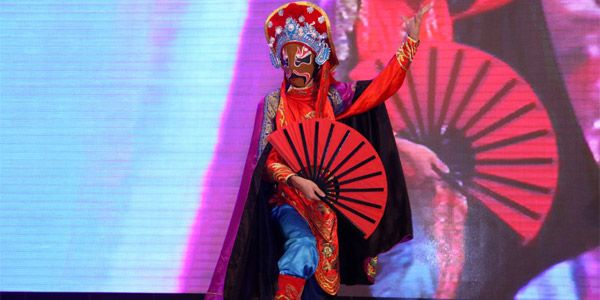
Face-changing, or Bian Lian, is a traditional Chinese stage art commonly associated with the Sichuan Opera. This highly entertaining quick-change act involves a brightly coloured illusionist with energetic backing music. With the swipe of a fan or the wave of the hand, the artist instantaneously changes from one colourful mask to another. By the end of the performance, the artist may have switched up to 20 times, leaving audiences stunned, curious to understand how it happened.
The exact origins are unclear, but Bian Lian is believed to date back 300 years. Chinese legend has it that the art form developed from a survival technique. People painted colourful designs on their face to frighten wild animals. Other sources claim that Bian Lian is a Chinese version of Robin Hood, who stole from the rich and gave to the poor, would change his appearance when confronted by guards.
The art of Bian Lian is one of China most guarded secrets. For hundreds of years, the skill has been passed down from one generation to the next within families. Traditionally, only males were allowed to learn Bian Lian to avoid secrets passing to another family, as women would not stay in the family when they married. Consequently, face-changing was rarely seen outside of China, although this began to change in the mid-2000s.
Discover More
Our top 4 traditional Chinese entertainment options are just the tip of the iceberg. There are many other exciting cultural performances to choose from, including oriental dance, martial arts, Chinese opera and music. We're proud to work with artists all over the world. Whether you're looking for a traditional act for your Chinese New Year celebrations, a variety of artists for a cultural event or seeking inspiration, get in touch today to discover more exciting entertainment options.
Traditional Chinese entertainment is colourful, vibrant and visually captivating. China boasts a rich cultural heritage influenced by ancient traditions that have inspired countless forms of entertainment. The performing arts are treasured in Chinese culture and continue to fascinate the rest of the world.
Read on to discover our top 4 traditional Chinese entertainment options and uncover insight into their origin. Expect astonishing displays of agility and skill accompanied by enchanting traditional music.
4 Traditional Chinese Acts
Lion Dance
The lion dance is quite possibly the oldest form of Chinese entertainment. Due to travellers' tales, dynasty records and the spread of Buddhism, fascination with the creature grew, and the lion became an iconic Chinese symbol.
Typically, the lion dance involves two dancers disguised in a striking, brightly coloured lion costume; one performer is at the rear, and the other is at the front manning the head. In Chinese folk culture, the lion dance symbolises power, wisdom and good fortune.
The lion dance is a popular entertainment choice for special occasions such as Chinese New Year events and wedding ceremonies and often used by Chinese communities to honour special guests at corporate and national events.
Dragon Dance
Equally iconic is the dragon dance. This age-old act with agricultural roots (dating back to 180-230 AD) is a favourite at global festive, oriental and Chinese celebrations; it is a vibrant and engaging performance bursting with colour and energy.
Unlike the lion dance, it varies dramatically in the number of performers with anything from 2 to 50 dancers parading the dragon, which itself can be up to 70 meters long! The dragon costume is made from colourful fabric and supported by a sturdy bamboo frame and poles. Accompanied by the sounds of drums, cymbals and gongs, the performers mimic the dragon's actions, historically an amphibian creature able to move on land, fly in the sky and swim in the sea.
The Chinese dragon is one of the 12 signs of the Chinese zodiac and symbolises luck, dignity, power and nobility. Legend has it that thousands of years ago a legendary tribal leader called Yandi was born by his mother's telepathy with a mighty dragon. Yandi, the dragon, and Huangdi, another legendary tribal leader, are effectively considered ancestors of the Chinese people.
Chinese Drumming
Another much-celebrated form of traditional Chinese entertainment that is loud, proud and stirs the soul. Chinese drumming is a one-of-a-kind stage show with large ornately decorated drums pounded by multiple musicians dressed in colourful costumes. This high-impact act often features a choreographed dance routine.
Dramatic rhythms and drum beats are a long-lived tradition in China, but Chinese drumming is celebrated and admired all over the world. The earliest known Chinese drums, made of animal shells, skins and clay/wooden composites, date back nearly 4,000 years.
Traditionally, Chinese drummers set the tone at celebrations, raised army morale and incited fear in battle. As a result, the drums are often red, a colour associated with power and luck. Nowadays, Chinese drumming is a firm favourite at weddings, Chinese New Year events, national celebrations and corporate events.
Face Changing
Face-changing, or Bian Lian, is a traditional Chinese stage art commonly associated with the Sichuan Opera. This highly entertaining quick-change act involves a brightly coloured illusionist with energetic backing music. With the swipe of a fan or the wave of the hand, the artist instantaneously changes from one colourful mask to another. By the end of the performance, the artist may have switched up to 20 times, leaving audiences stunned, curious to understand how it happened.
The exact origins are unclear, but Bian Lian is believed to date back 300 years. Chinese legend has it that the art form developed from a survival technique. People painted colourful designs on their face to frighten wild animals. Other sources claim that Bian Lian is a Chinese version of Robin Hood, who stole from the rich and gave to the poor, would change his appearance when confronted by guards.
The art of Bian Lian is one of China most guarded secrets. For hundreds of years, the skill has been passed down from one generation to the next within families. Traditionally, only males were allowed to learn Bian Lian to avoid secrets passing to another family, as women would not stay in the family when they married. Consequently, face-changing was rarely seen outside of China, although this began to change in the mid-2000s.
Discover More
Our top 4 traditional Chinese entertainment options are just the tip of the iceberg. There are many other exciting cultural performances to choose from, including oriental dance, martial arts, Chinese opera and music. We're proud to work with artists all over the world. Whether you're looking for a traditional act for your Chinese New Year celebrations, a variety of artists for a cultural event or seeking inspiration, get in touch today to discover more exciting entertainment options.